Saturday, October 12, 2024

Solo walk from Kallang Park Connector hike to Toa Payoh - Singapore oldest HDB estate

Singapore -  I set off on my hike at 9:30 am, starting from Toa Payoh, Singapore's oldest HDB estate. The weather was pleasant, and I was excited to walk through this central area. Toa Payoh, known for its well-maintained HDB flats despite their age, reflects the charm of Singapore's earlier urban planning. The fresh coats of paint on the flats gave the estate a sense of vibrancy, showcasing how older buildings can still feel modern and welcoming.

Park Connector towards Toa Payoh

As I ventured toward Bidadari, I was greeted by lush greenery and serenity. Bidadari Park, a newly developed park, has a freshwater lake that not only adds beauty to the space but also serves as an innovative flood prevention feature. It felt peaceful, with birds chirping and joggers passing by. The park’s Hundred Acre Wood-inspired design is a refreshing blend of nature and urban life, making it a great spot to enjoy the outdoors without leaving the city.

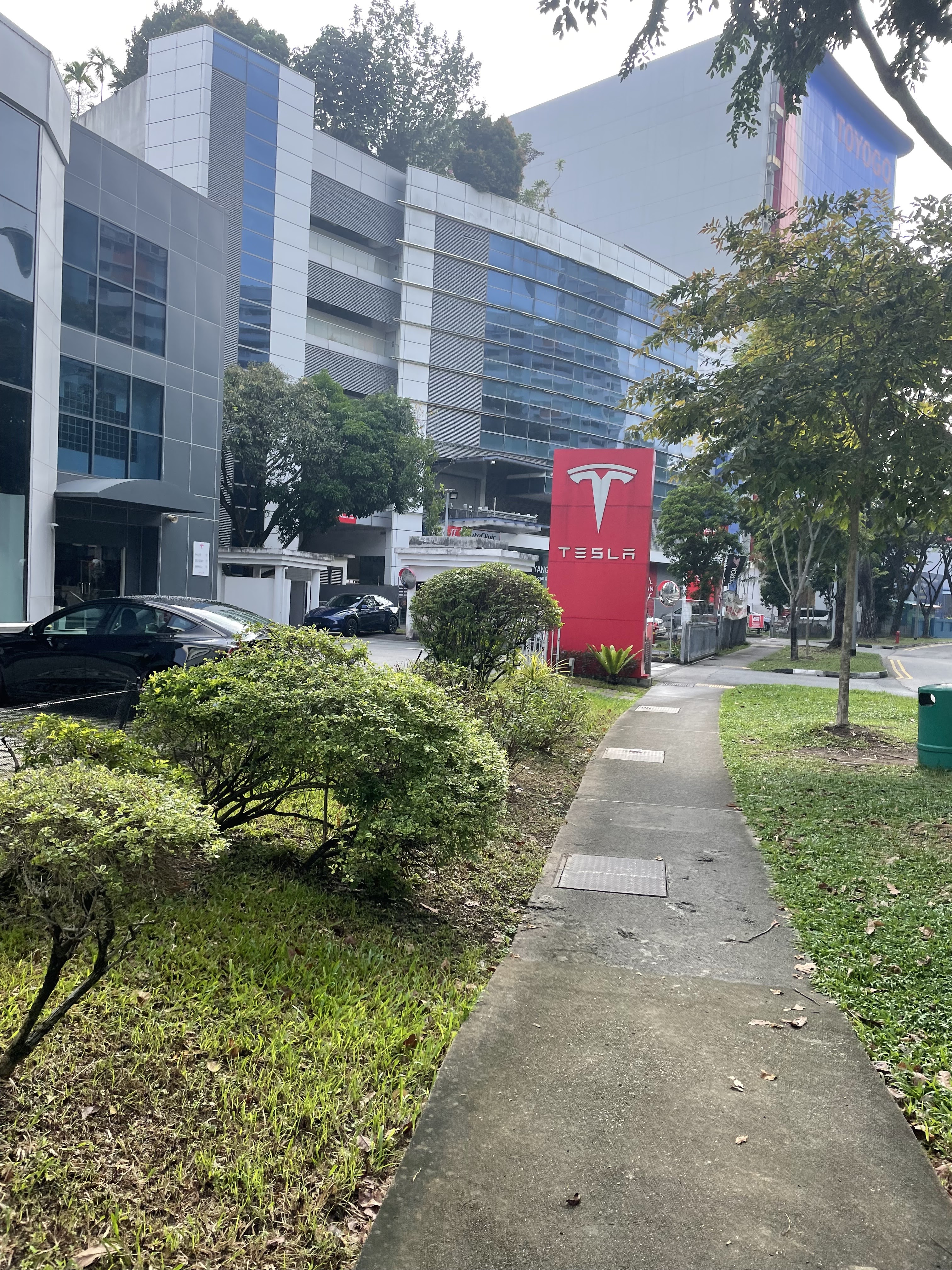
Tesla showroom @ Toa Payoh Lorong 8

Toa Payoh, in the Hokkien dialect, translates as 'big swamp' (with 'Toa' meaning 'big' and 'Payoh' meaning 'swamp'). The name takes reference from the large swampy area that the town used to be.

Community Garden @ Lorong 7

I marveled at the community life still thriving in this historical area. Residents were busy with their morning routines, from exercising in open areas to chatting at coffee shops. This estate, built in the 1960s, still stands strong as a testament to Singapore's successful public housing model. The careful preservation and upgrades to its iconic flats maintain its character while providing a comfortable living space for residents.


Then I took the MRT back home.


Wednesday, September 25, 2024

Munik Resto - Authentic Indonesian food

Jakarta - There are nights where everything seems to come together seamlessly—good company, great food, and the perfect atmosphere. My recent dinner with Mario and Harri at Munik Resto was exactly that. 

Tucked in a cozy corner of the city, Munik Resto offers a dining experience that mixes the authenticity of Indonesian cuisine with the warmth of home cooking. From the moment we walked through the doors, I knew we were in for a memorable evening.

As we entered Munik Resto, we were greeted by a beautifully adorned dining area. The restaurant's ambiance is a pleasant blend of modern comfort with subtle touches of traditional Indonesian decor. It’s not over-the-top; instead, it’s elegant and comfortable, making it the ideal spot for friends or family gatherings. The dim lighting combined with the warm wooden interiors instantly set the mood for a relaxed evening.

We were guided to our table by the friendly staff, who ensured we were comfortable. The menu itself is a reflection of Indonesia’s rich culinary heritage—each dish a testament to the diverse flavors and techniques unique to the archipelago.

Deep fried Guramae

After browsing through the menu, we decided to dive into some of the restaurant’s most popular dishes. We started with their famed fried Gurame. For those unfamiliar with gurame, it’s a freshwater fish that is beloved in Indonesian cuisine. When it arrived at the table, it was hard to miss—golden brown, crispy, and served whole. The presentation was impressive, but it was the first bite that stole the show.

The skin was perfectly crisp, providing that satisfying crunch that you expect from deep-fried fish, but it was still tender inside, with the mild flavor of the gurame shining through. What took me by surprise, though, was how crispy the bones were! Yes, you could actually eat the bones. They were fried to such a perfect level of crispness that they almost melted in your mouth. The texture contrast was incredible, and the combination of flavours left a lasting impression.

Next on the table was Tahu Goreng, or deep-fried tofu. If you think tofu is boring, this dish will completely change your perspective. At first glance, it seemed simple—blocks of tofu that had been deep fried. But when we took our first bites, we realised how deceiving appearances can be. The tofu had a soft and silky interior, but its exterior was crisp and golden brown. The fillings are filled with diced meat, cucumbers and vegetables.

Paired with a slightly sweet and spicy dipping sauce, the Tahu Goreng became the surprise hit of the evening. Each bite was light and flavourful, and it made for the perfect appetiser. The tofu was expertly prepared, allowing it to soak in the flavour without becoming greasy or heavy.

Of course, no Indonesian meal would be complete without a bowl of hearty Sop Buntut (oxtail soup). The moment the soup arrived at the table, we were enveloped by the fragrant aroma of slow-cooked beef, cloves, and nutmeg. The broth was rich but clear, indicating the time and effort put into simmering the oxtail to perfection.

Each spoonful was comforting, packed with the meaty, tender flavours of the oxtail and the lightness of the broth. The soup was complemented by vegetables like carrots and potatoes, adding a layer of earthiness to the dish. 

Vegetables often play second fiddle in a meal, but the Kangkong Belachan (stir-fried water spinach with shrimp paste) proved to be a bold and flavourful addition to our feast. For those unfamiliar with belachan, it’s a fermented shrimp paste used in Southeast Asian cooking, known for its strong, umami-packed flavour.

The Kangkong was stir-fried to perfection—crisp, fresh, and coated with just the right amount of spicy belachan. The dish had a slight kick to it, but the heat was perfectly balanced, allowing the bold flavours of the shrimp paste to shine through without overpowering the delicate taste of the greens. It added a refreshing contrast to the richness of the fried dishes we had been enjoying up to that point.


This was a unique version of fried rice and once mixed up and stirred - the taste was delicious with spices, petai (bitter bean) and white rice.

Fried chicken

Dining at Munik Resto was more than just a meal; it was an experience. The food, steeped in tradition and prepared with care, transported us to the heart of Indonesia’s culinary landscape. From the crispy Fried Gurame to the comforting Sop Buntut and the bold Kangkong Belachan, every dish was a delight for the senses.

Monday, September 23, 2024

Sate Senayan restaurant - one of Indonesia's famous satay restaurants

Jakarta - One of Jakarta most popular satay restaurant - Sate Senayan and was located just opposite my hotel @ Sarinah Thamrin.

Mixed Lamb satay

Satay Chicken

Ketupat (rice cakes)

Sate Kambing Buntel

Sate Kambing buntel is a traditional Indonesian dish originating from Solo in Central Java. The dish consists of minced lamb that's wrapped in caul fat and placed on bamboo skewers. The caul fat keeps the meat intact while it's cooking on the grill. Once done, sate buntel is typically served with rujak-style pickles, chili peppers, shallots, onions, tomatoes, and kecap manis.  The dish was heavily influenced by the early Arab settlers of Solo.

Tempeh Mendoan

Tempeh Mendoan is deep fried tempeh with spiced batter.  One of my best tasting tempeh ever - I loved Tempeh and cooked it myself for lunch; but this style of tempeh is so delicious.


Sari Ratu - One of Jakarta best nasi padang restaurant

Jakarta - This restaurant was on my bucket list to eat and now it is checked out.  Not disappointed as the food delicious.  The surrounding is very homely and within Sarina, a mall.    This is nasi padang style with dishes displayed behind a counter and I point on the dishes I want.

Jackfruit & beef rendang

The beef rendang is a bit tough but the jackfruit dish is tender and has a unique taste.  Mixed with white rice, it was really delicious.

Lamb brain

Otak = brain, the brain tasted like cheese blended in curry.  An acquired taste and there is always a first time and this will be my last.


Saturday, September 21, 2024

Phieu Tam Tinh cafe for my Croissant

 Hanoi - We saw this nice cafe and went for a coffee.   Their croissant was fluffy and tasted freshly baked.


cuppacino

my croissant


Having a good time with coffee and croissant.

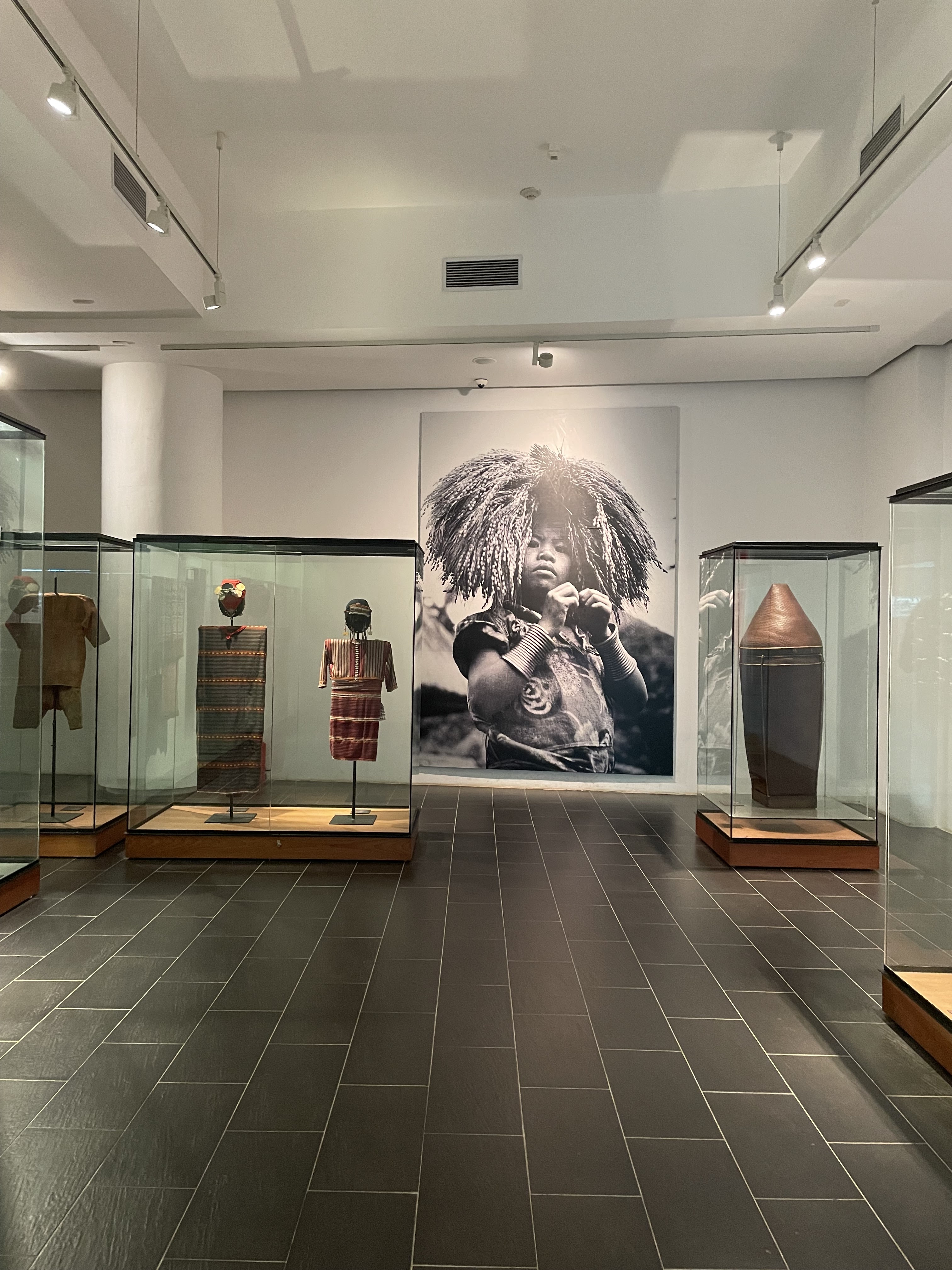
Vietnam Museum of Ethnology

 Hanoi - After visiting the Vietnam Military History Museum, Edmund and I embarked on an enriching journey to the Vietnam Museum of Ethnology, an experience that profoundly deepened my understanding of Vietnam's cultural diversity. 


The museum showcases the rich heritage of the 54 officially recognised ethnic groups in the country, each with their own customs, traditions, and history.


Our visit began with the indoor exhibits, where intricately detailed displays told the stories of these ethnic groups. From the Kinh majority to the Hmong, Tay, and Khmer minorities, each exhibit highlighted aspects of their daily lives through artifacts like clothing, tools, and musical instruments.


The outdoor exhibit was another highlight, as it features life-sized traditional houses from various ethnic groups, each constructed using authentic materials. Walking through the Tay stilt house and the Ede longhouse gave us a real sense of how these communities live, work, and interact with their environment. It was like stepping into a different time and place—an immersive experience that brought Vietnam’s multi-ethnic culture to life.


After spending a few hours at the museum, I felt more connected to the rich cultural tapestry of Vietnam. The Vietnam Museum of Ethnology is not just a place to look at artifacts; it is a place to experience the beauty, complexity, and diversity of Vietnam’s ethnic communities. It's a must-visit for anyone interested in understanding the country's cultural landscape on a deeper level.


Vietnam Military History Museum & Flag Tower

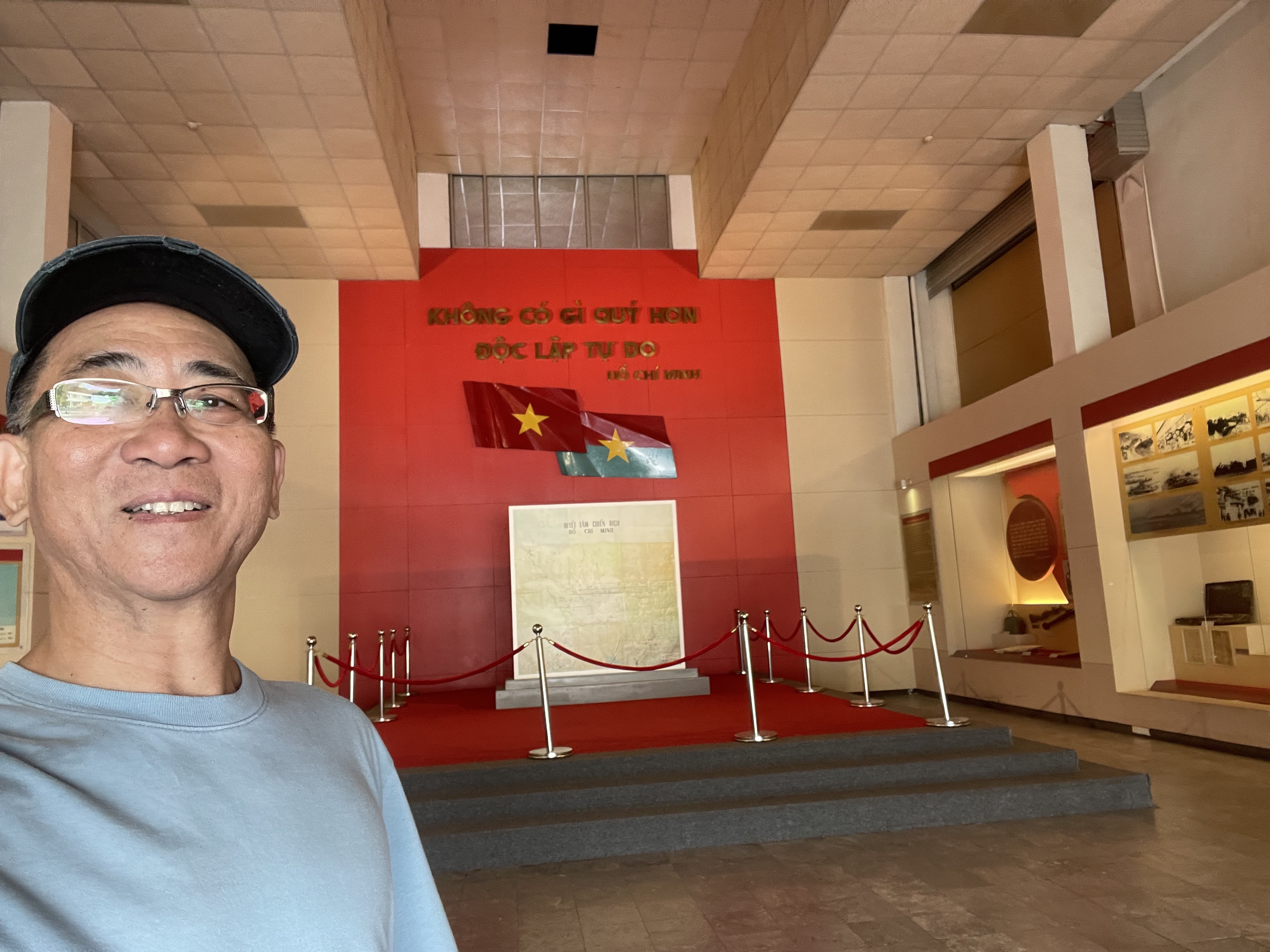
 Hanoi -  I had the incredible opportunity to visit the Vietnam Military History Museum in Hanoi with my friend Edmund. Located at the historic Flag Tower of Hanoi, the museum is a fascinating dive into the history of Vietnam’s military efforts, spanning from the early resistance against French colonialism to the American War and beyond.


As we explored, I was particularly drawn to the vivid storytelling of Vietnam's fight for independence and sovereignty. Each section of the museum offers a different era of military history, and what struck me most was the intricate display of the Battle of Dien Bien Phu, a pivotal moment in Vietnam’s victory over French colonial forces.

As we walked through the museum, the sense of resilience and national pride of the Vietnamese people was palpable, a theme echoed in nearly every room.


Explosives used by the Viet Cong soldiers


The highlight of the visit was undoubtedly the Flag Tower, built in 1812, which offered panoramic views of Hanoi. It was a reminder of the deep historical roots that bind Vietnam's past with its present, and standing there with Edmund made me appreciate the significance of the site even more.


Our trip to the Vietnam Military History Museum was not just a look at military artifacts but a powerful reflection on the determination and strength of a country that has faced immense struggles and emerged victorious. It was an unforgettable experience, one that broadened my understanding of Vietnam's rich history and left me with a deeper appreciation for its people’s perseverance.


A Simple Hawker Lunch at Blk 75 Lorong 5 Toa Payoh Food Centre

 Singapore - Dropped by Blk 75 Lorong 5 Toa Payoh Food Centre for a Brunch, but was rather surprised by the limited food choices. Not sure ...